Self Confident: A Fresh Script for Invitations and Branding
There's a moment in every design project where you need a typeface that does more than just spell out words. You need something with a voice, a personality that can carry the weight of an invitation or the charm of a brand logo. This is where a premium font like Self Confident enters the conversation. It’s not just another script; it’s a handwritten font crafted with a specific, modern calligraphy style that brings a distinct energy to any layout.
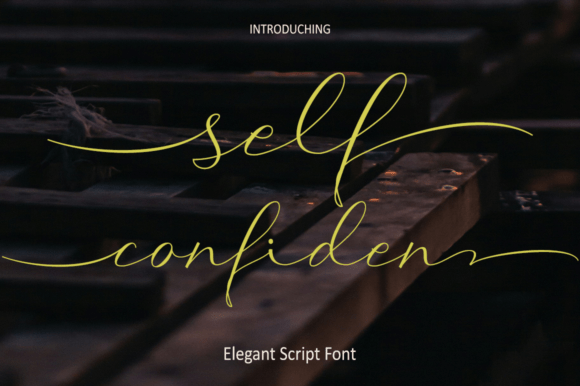
Visually, Self Confident is defined by its fresh and contemporary take on hand-lettering. It features a dancing baseline, meaning the letters don’t sit in a rigid, straight line. This subtle movement gives text a lively, organic feel, as if it were written by hand in the moment. The decorative characters and flowing connections between letters are its hallmark, offering a pretty, elegant touch without feeling overly formal or traditional. It strikes a balance between being expressive and remaining legible, a crucial trait for any script font intended for practical use. The overall personality is one of approachable sophistication—it feels personal, creative, and intentionally crafted.
Where Self Confident Truly Shines
Understanding where a font like this excels is key to using it effectively. Its strength lies in applications where a personal, human touch is desired. For greeting cards, wedding invitations, and event stationery, Self Confident provides the perfect blend of elegance and warmth. The calligraphy style feels celebratory and special, setting the right tone for personal correspondence.
In the realm of brand identity, this creative font is a powerful tool for businesses that want to convey creativity, care, and a hands-on approach. Think boutique bakeries, artisan studios, florists, or lifestyle bloggers. Using Self Confident in a logo design or for product packaging can instantly communicate a brand’s artisanal quality. It works beautifully for short, impactful headlines on social media graphics, quotes, or poster designs where you want to capture attention with a stylish, human element. For editorial design, it can add flair to magazine pull quotes or chapter titles, breaking the monotony of standard body text.
Practical Guidance for Designers and Creators
Choosing to use a font like Self Confident is the first step. Using it well is the next. Here’s some practical advice for integrating it into your workflow.
Evaluate the Project Fit: Before selecting any display font, ask: does the project’s tone match the font’s personality? Self Confident is ideal for projects that are celebratory, personal, creative, or luxurious. It might not be the best choice for a corporate annual report or a technical manual, where clarity and neutrality are paramount. Its role is to add character, not to serve as a workhorse for long-form reading.
Master Font Pairing: A script font like this rarely works well alone for body copy. The key to a professional layout is pairing it with a complementary typeface. For balance and readability, pair Self Confident with a clean, simple sans serif font or a classic serif font. Let the script handle headlines, subheads, or key phrases, and use the paired font for supporting text. This creates a clear visual hierarchy, guiding the reader’s eye and improving overall readability.
Check the Included Styles: A quality premium font often comes with more than just the basic letters. Look for features like alternates, ligatures, and stylistic sets within the font file. These extras allow you to customize the look of specific letter combinations, preventing repetition and making your text feel even more authentically handwritten. Accessing these glyphs is usually done through the OpenType features in your design software.
Mind the Context and Scale: Because of its intricate details, Self Confident is best used at larger sizes. Test it at the intended size to ensure all the delicate swashes and connections remain clear. For web design, consider its performance and ensure it’s legible on various screen sizes, especially for mobile users. For print design, such as packaging design or business cards, print a test sheet to check how the fine details reproduce.
Understand the License: Always verify the commercial font license before use in client projects or for sale. Most reputable foundries provide clear terms for desktop, web, and app usage. Using a font within its licensed terms is a fundamental part of professional practice, ensuring you respect the work of the type designer and avoid legal issues.
Ultimately, a typeface like Self Confident is a valuable asset in a designer’s toolkit. It’s a modern typography choice that offers personality and style. By understanding its strengths, pairing it wisely, and applying it to the right contexts, you can leverage its unique character to create more engaging, memorable, and effective designs that truly resonate with your audience. It’s about adding a layer of human artistry to digital and print projects, making every word feel a little more personal.