Clonela: The Retro Script Font for Timeless Wedding Stationery
When you’re designing for moments that matter—the wedding invitations, the heartfelt thank-you notes, the elegant RSVP cards—every detail speaks. The texture of the paper, the color of the ink, and, most importantly, the typeface you choose all weave together to tell a story. For projects that call for a blend of vintage charm and sophisticated romance, Clonela emerges as a standout choice. This retro script font captures the fluidity of classic calligraphy while carrying a distinct mid-century flair, making it a versatile asset for designers and creators who want their work to feel both personal and polished.
A Typeface with Personality and Flow
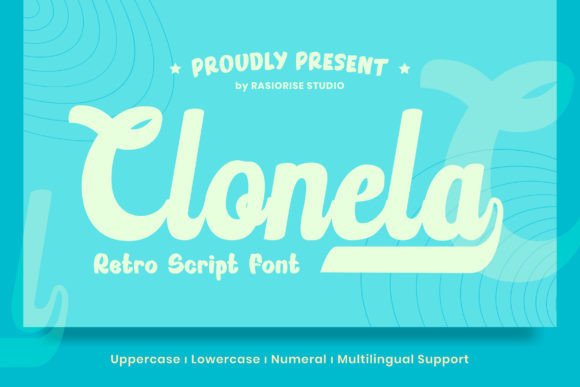
Clonela isn’t just another script font; it’s a premium font crafted with attention to the nuances of hand-lettered forms. Its characters exhibit a gentle, flowing rhythm, with slightly varied baseline movement that mimics natural handwriting. The letterforms are connected with graceful, sweeping strokes, yet they maintain a clear legibility—a common challenge with many script fonts. The retro influence comes through in its subtle weight variations and a slight condensed feel in certain characters, evoking the stylish typography of the 1950s and 60s without feeling dated. This gives it a unique personality: it’s romantic and elegant, but also confident and full of character.
The visual appeal of Clonela lies in its balance. It avoids the overly ornate or frilly look that can make some script fonts difficult to use in practical applications. Instead, it offers a refined, almost tailored aesthetic. This makes it exceptionally suitable for wedding invitations, where the goal is often to convey a sense of occasion, joy, and sophistication. Imagine it set in a deep charcoal or a soft blush on a textured card stock—the font’s elegant swashes and consistent style would immediately set a tone of timeless celebration.
Beyond the Wedding: Versatile Applications for Creators
While its name might be synonymous with wedding stationery, the utility of the Clonela typeface extends far beyond nuptial designs. Its strength as a display font makes it a powerful tool for any project requiring a touch of elegance and personality. Consider its use in brand identity for boutique businesses—a florist, a custom bakery, a vintage clothing shop, or a high-end gift service. Clonela can form the cornerstone of a logo that needs to feel handcrafted, personal, and premium.
In the realm of editorial design, it shines for chapter titles, pull quotes, or magazine headers, especially in publications focused on lifestyle, fashion, or home décor. For packaging design, it can elevate the look of artisanal products, from candle labels to gourmet food packaging, suggesting care and quality. Digital creators will find it equally valuable. It translates beautifully into social media graphics for announcements, quotes, or promotional materials, and can add a distinctive touch to web design for hero sections or special landing pages, provided it’s used judiciously for headlines rather than body copy.
Making the Right Design Choices with Clonela
Choosing a font is a strategic decision that influences readability, visual hierarchy, and audience perception. Clonela excels in creating a strong emotional connection and a sense of luxury, which directly impacts brand perception. However, its script nature means it’s best deployed as an accent rather than a workhorse. The key is thoughtful pairing and application.
Practical Pairing and Usage
For a balanced and professional design, pair Clonela with a clean, neutral sans serif font or a classic serif font. A simple sans serif for body text will provide a modern counterpoint and ensure excellent readability, allowing Clonela’s decorative details to stand out in headlines without causing visual clutter. For instance, using Clonela for the couple’s names on an invitation and a clean sans serif for the event details creates a clear and elegant visual hierarchy.
Always test the font in context. Check the spacing between letters, especially in longer words, and ensure the connections between characters don’t create awkward overlaps at smaller sizes. Review the full character set; many premium fonts like Clonela include stylistic alternates, ligatures, and swashes that offer greater creative flexibility. These extras can be used to customize names or key words, making a design feel truly bespoke.
Licensing and Final Considerations
Before finalizing any project, especially for commercial use, verify the commercial font licensing. A reputable creative font will have clear terms that allow for use in products for sale, client work, and digital assets. This is a critical step for entrepreneurs, marketers, and small business owners who intend to use the font in their branding or merchandise.
Ultimately, Clonela is more than just a collection of glyphs; it’s a design asset that can infuse a project with warmth, elegance, and a distinct retro-modern charm. By understanding its character and applying it with intention, designers and creators can leverage this typeface to produce work that resonates deeply, tells a compelling story, and stands the test of time.